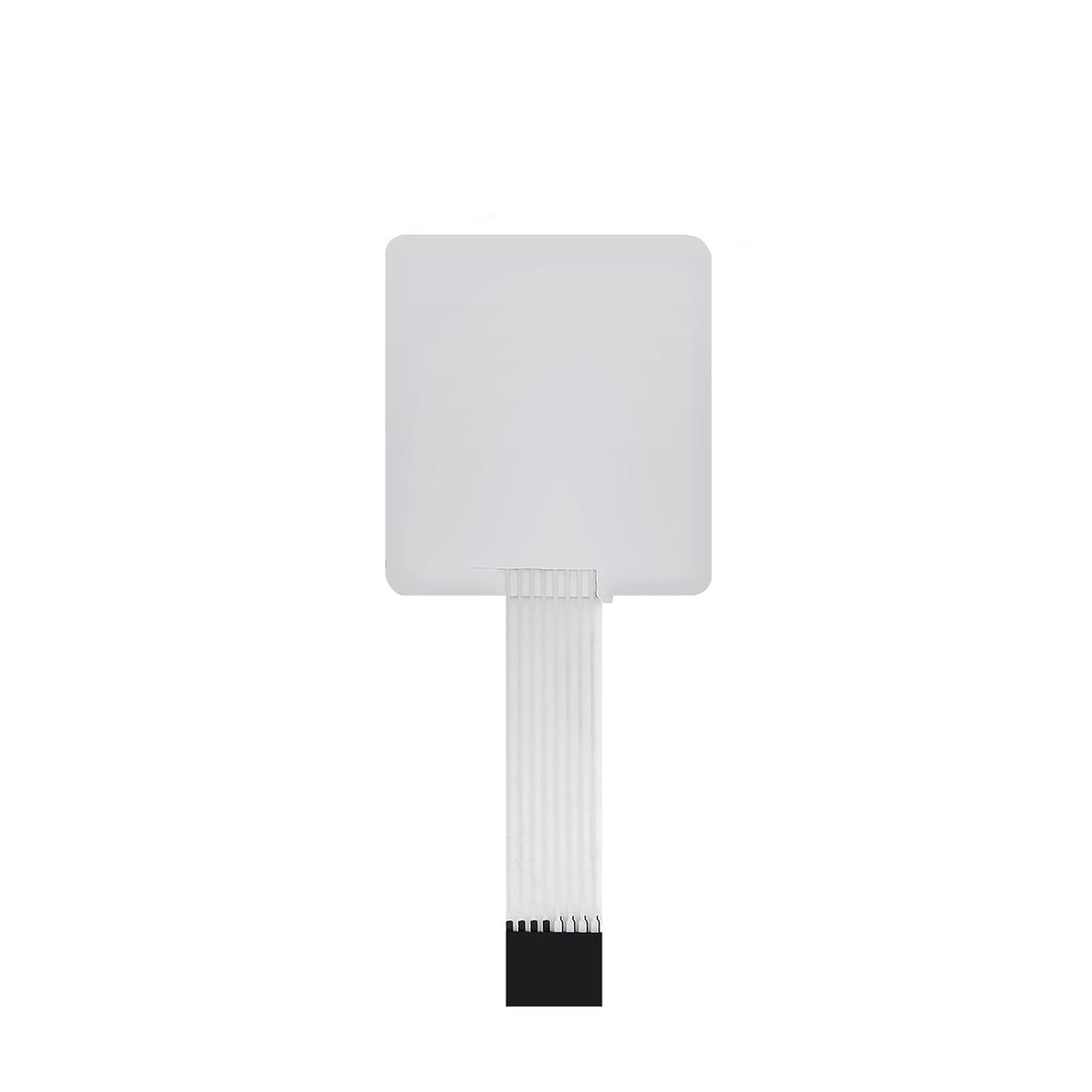
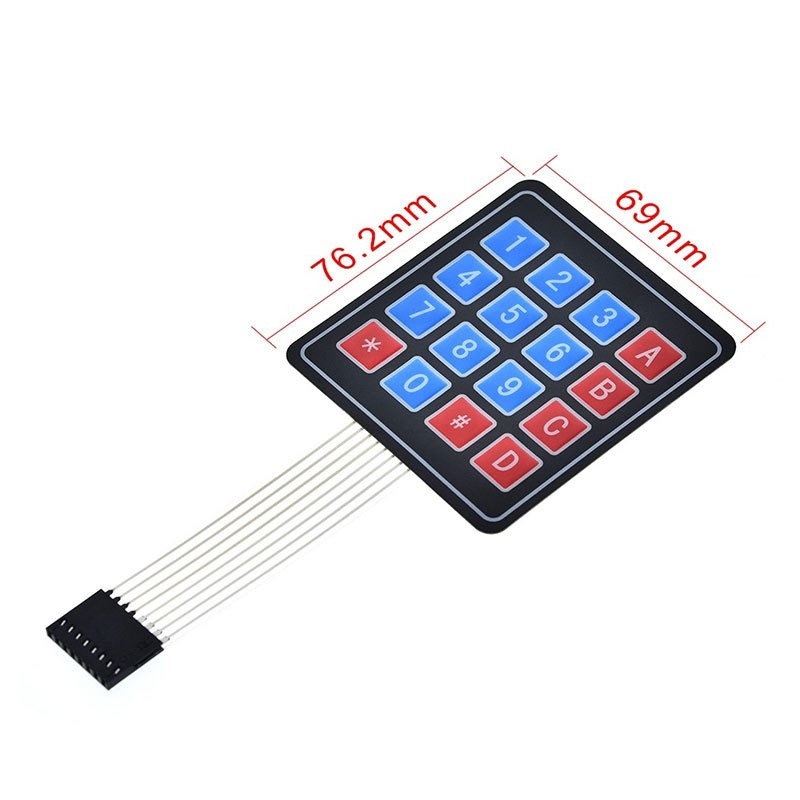
Introduction to the Principle of Membrane Switches
A membrane switch is a multi-layered (flat) type (non-locking) key switch composed of a layer of elastic insulating material. It integrates functions such as buttons, indicator elements, and instrument panels. The operation of a membrane switch is achieved solely through the vertical movement of the elastic film. Although the elastic film undergoes millions of flexions and the amplitude during flexion is only 0.1-0.3MM, due to the rationality of material selection, the membrane material can withstand more than one million cycles without deformation. These are what determine the durability of the membrane switch.
The appearance of membrane switches is beautiful, they have a long service life, a simple structure, easy installation, a good user feel, and occupy a small area. They are widely used in various industries, ranging from household appliances to high-tech products. Gradually, they have replaced part of the light touch switches in the market and have a significant share in the market.
2. The Working Principle of the Principle of Membrane Switches
The basic working principle of a membrane switch is as follows: When the panel is not pressed, the membrane switch is in a normal state, and the upper and lower contacts are in an open state, and the isolation layer isolates the upper and lower circuits. When the panel is pressed, the contact of the upper circuit deforms downward, merges with the lower circuit, and makes the circuit conductive. The conductive circuit then provides a signal to the external connected instrument (substrate), thereby achieving its corresponding function. When the finger is released, the upper circuit contact rebounds back, the circuit is disconnected, and an electrical signal is triggered.