The gas-sensitive material used in the MQ135 gas sensor is tin dioxide (SnO2) with a lower electrical conductivity in clean air. When the sensor is in an environment with polluted gases, its electrical conductivity increases as the concentration of the polluted gases in the air increases. Using a simple circuit, the change in electrical conductivity can be converted into an output signal corresponding to the concentration of the gas.
The MQ135 sensor has high sensitivity to ammonia, sulfides, and benzene vapors, and is also ideal for monitoring smoke and other harmful substances. This sensor can detect various harmful gases and is a low-cost sensor suitable for multiple applications.
Module application:
Used in household and environmental harmful gas detection devices, suitable for detecting harmful gases such as ammonia, aromatic compounds, sulfides, benzene vapors, and smoke. The concentration range of the gas-sensitive element test: 10 to 1000 ppm
Module features:
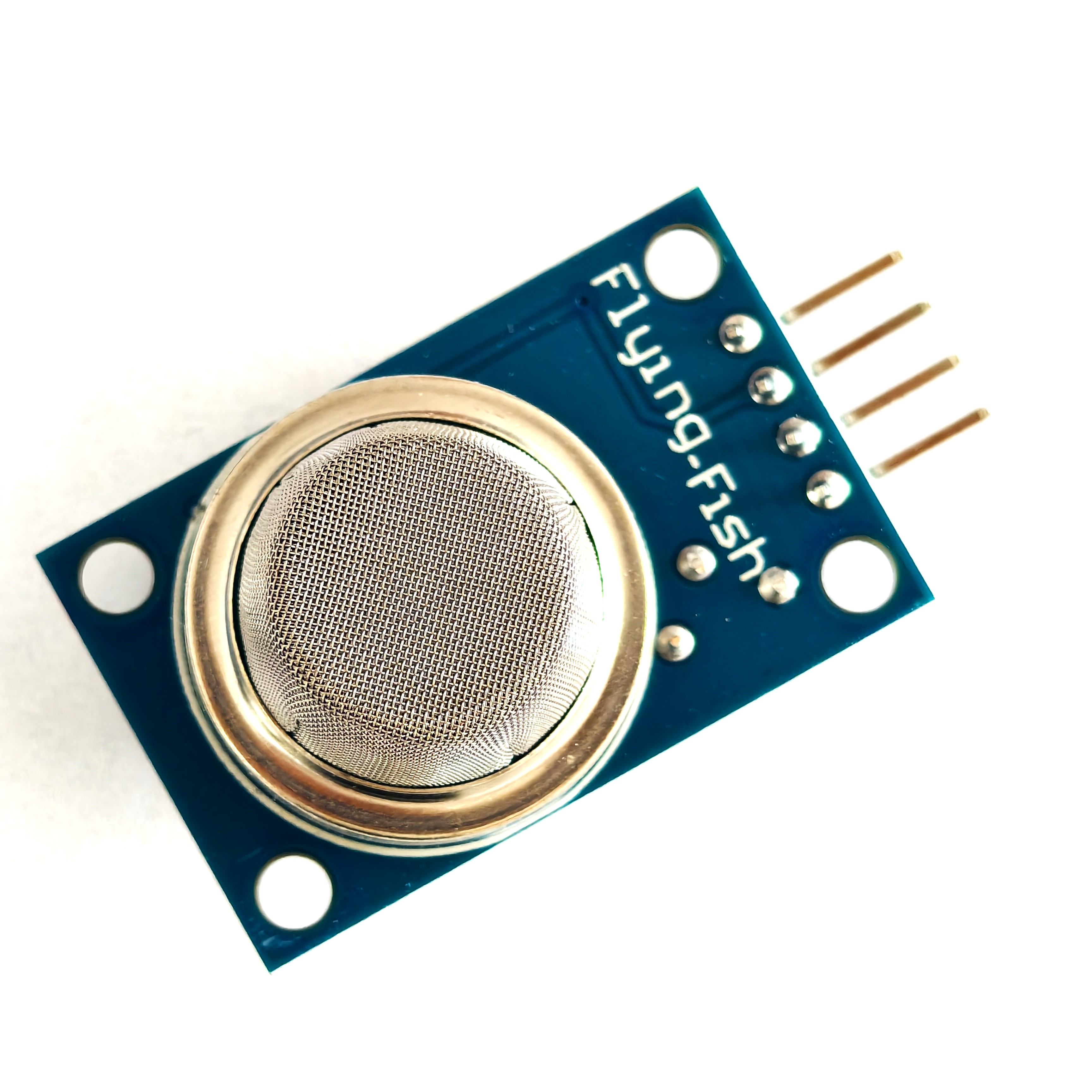
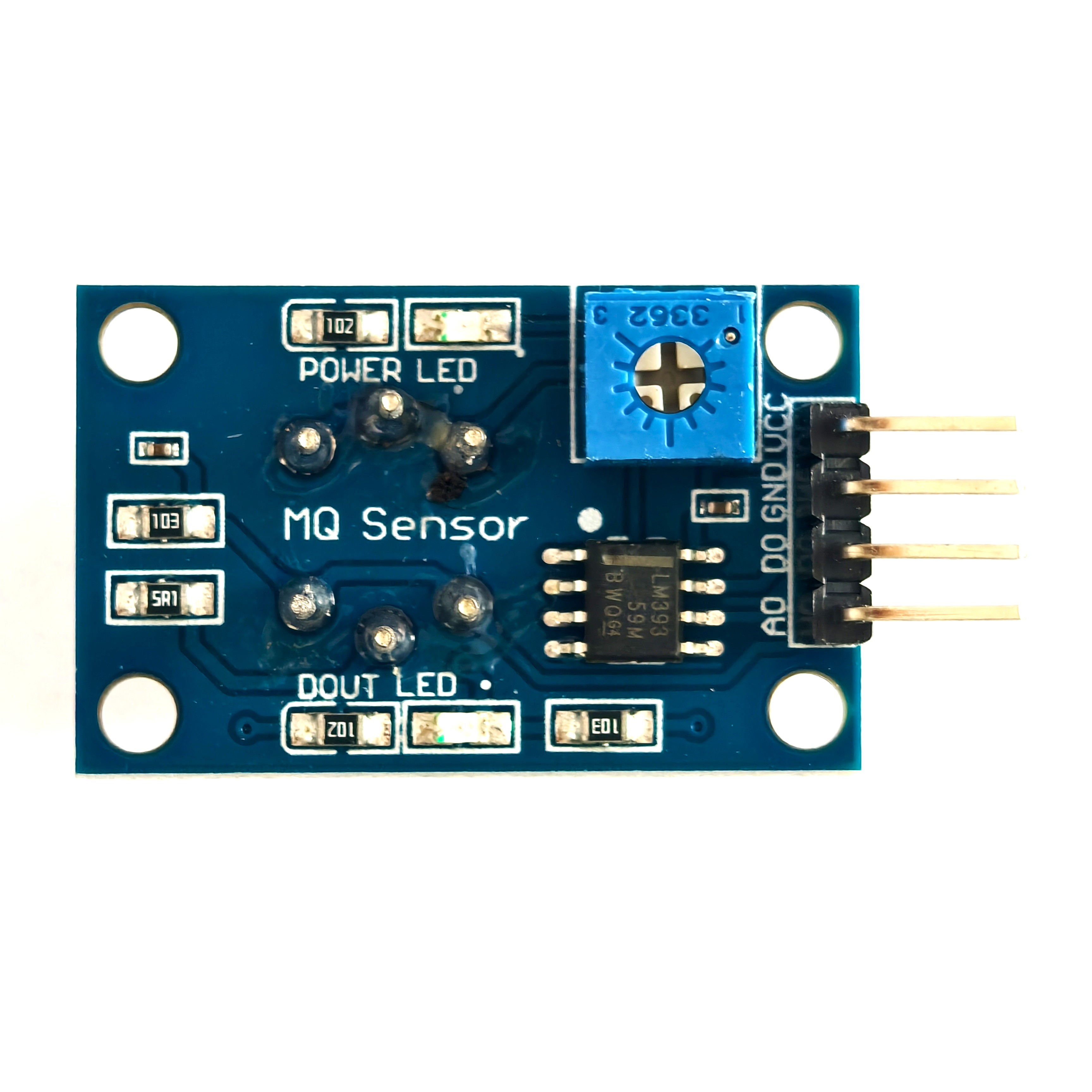
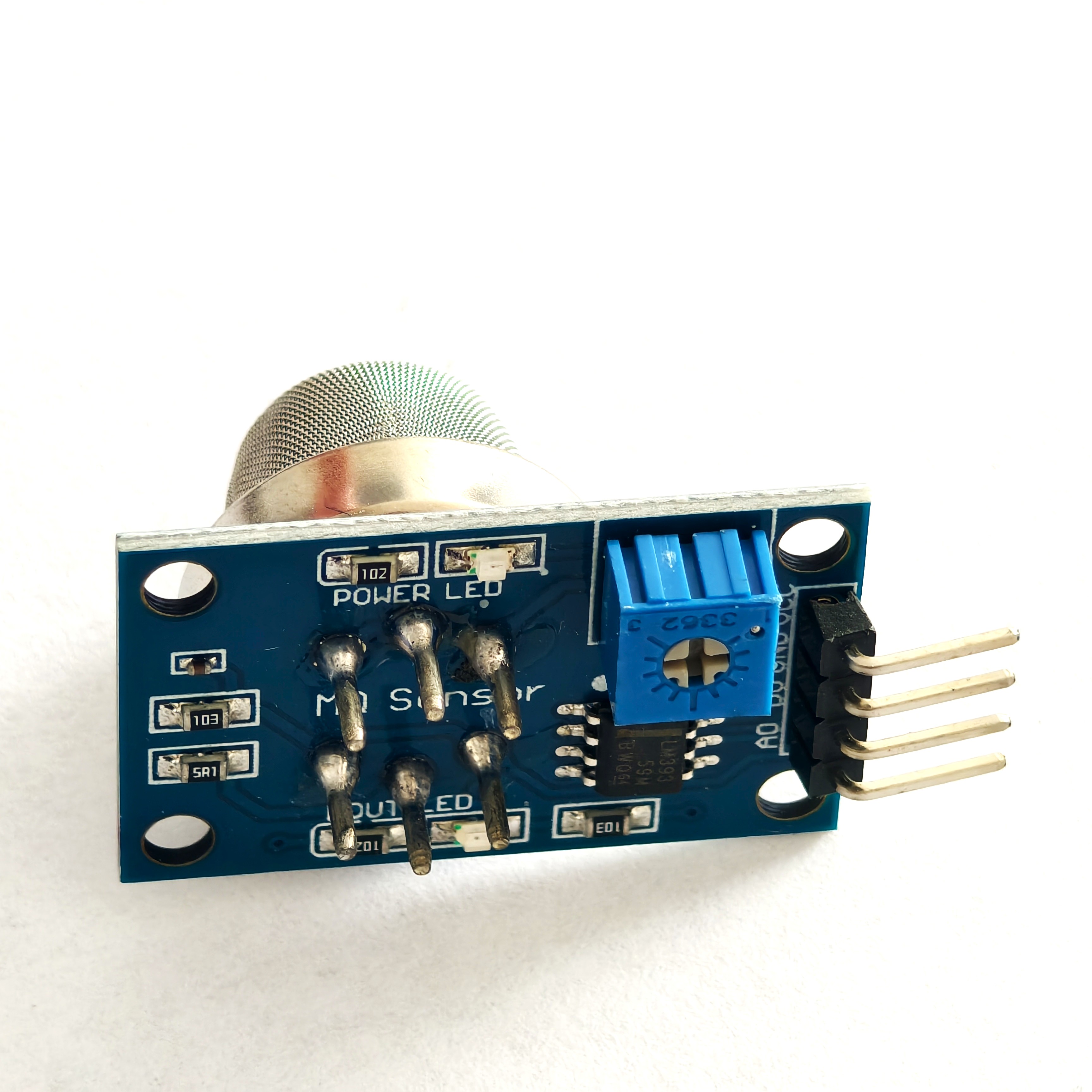
1. Adopting high-quality double-panel design, with power indicator and TTL signal output indication;
2. Having DO switch signal (TTL) output and AO analog signal output;
3. The effective TTL output signal is a low level. (When the output is low, the signal light is on, and it can be directly connected to the microcontroller or relay module)
4. The analog output voltage is 0 to 5V, and the higher the concentration, the higher the voltage.
5. Has good sensitivity for air quality and harmful gas detection.
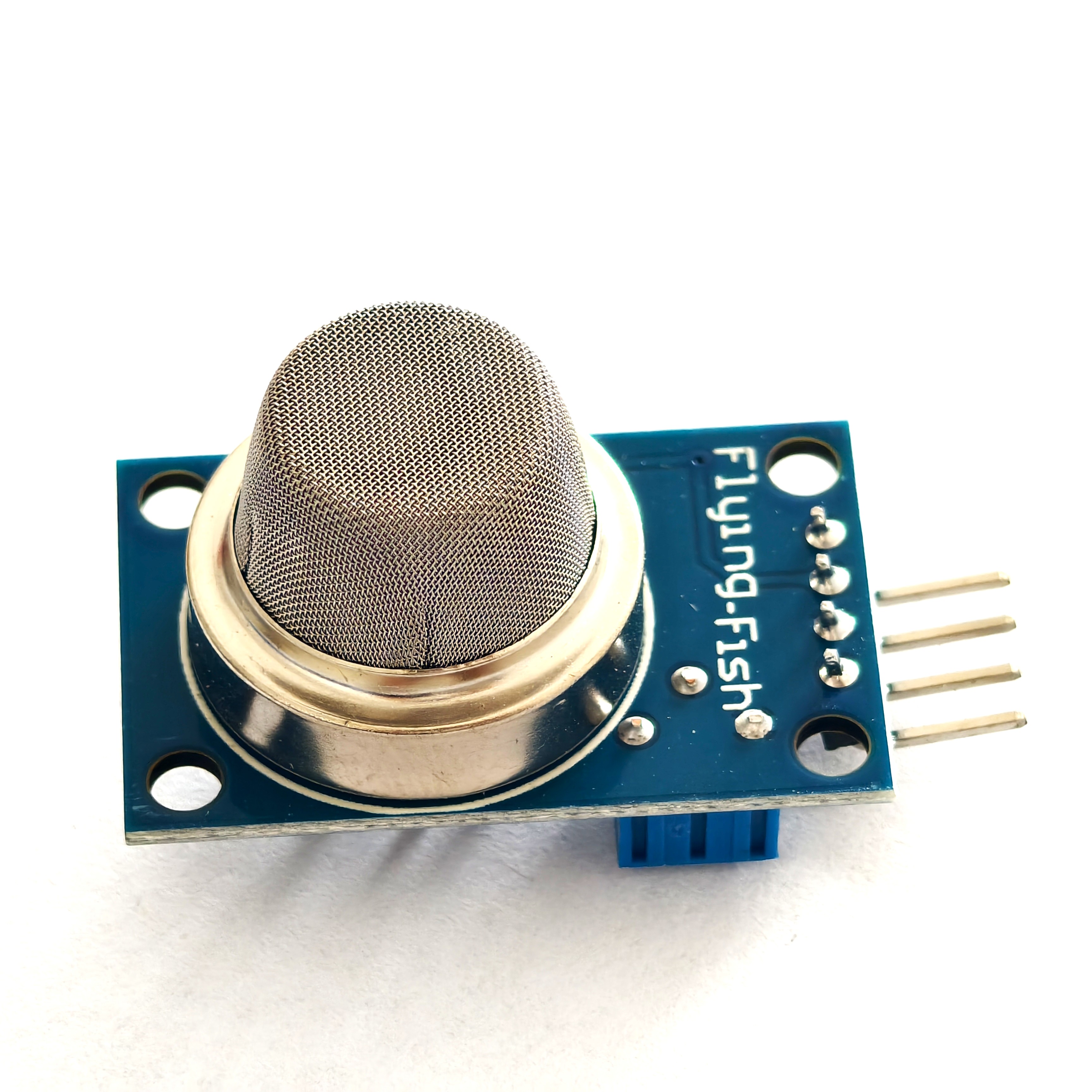
6. Has four screw holes for positioning;
7. Product size: 32mm (length) * 22mm (width) * 27mm (height)
8. Has a long service life and reliable stability
9. Fast response recovery characteristic
10. Working voltage: 5V
Module usage instructions:
Explanation: Please preheat for about 20 seconds before use.
Step 1: Supply 5V DC power to the module (make sure the positive and negative poles are not connected reversely, otherwise it is easy to burn out the chip).
Step 2: If choosing DO, TTL high and low level output ports, the output signal can be directly connected to the IO port of the microcontroller or the relay module. The potentiometer is used here to adjust the threshold of the output level change.
Step 3: If choosing AO, analog output, then there is no need to worry about the potentiometer. Just connect the AO pin to the input end of the AD conversion or the single-chip microcontroller with AD function. According to our experience: in a normal environment, that is, in an environment without the measured gas, set the sensor output voltage value as the reference voltage. At this time, the voltage at the AO end is about 1V. When the sensor detects the measured gas, for every 0.1V increase in voltage, the actual concentration of the measured gas increases by 200 ppm (simply put: 1 ppm = 1mg/kg = 1mg/L = 1×10⁻⁶, commonly used to represent gas concentration or solution concentration). Based on this parameter, the analog voltage value measured can be converted into a concentration value in the microcontroller. Note: If you are using it as a precision instrument, please purchase a standard calibration instrument on the market, otherwise there will be errors, because the ratio between the output concentration and the voltage is not linear, but tends to be linear.
Special reminder: After the sensor is powered on, it needs to preheat for about 20 seconds. The measured data will be stable only after preheating. The sensor heating is a normal phenomenon because there is an electric heating wire inside. If it is too hot, it is abnormal.
Module Parameters:
1. Dimensions: 32mm (length) * 22mm (width) * 27mm (height)
2. Weight: 7g
3. Main chips: LM393, MQ-5 gas sensor
4. Operating voltage: DC 5 volts
5. Has signal output indication.
6. Dual-channel signal output (analog output AOUT and TTL level output DOUT)
7. The valid TTL output signal is a low level (when the output is low, the signal light is on, and it can be directly connected to the microcontroller)
8. Analog output voltage is 0-5V, the higher the concentration, the higher the voltage
9. Highly sensitive to butane, propane, and methane
10. The reference concentration can be adjusted by the blue potentiometer. Clockwise rotation reduces the reference concentration, and counterclockwise rotation increases the reference concentration.
Degree increases
11. Long service life and reliable stability
12. Rapid response recovery characteristics
Test Instructions:
VCC: Connect to the positive terminal of 5V power supply
DOUT: Digital signal output terminal, can be directly connected to the I/O port of the microcontroller
AOUT: Analog signal output terminal, can be connected to the input port of the AD conversion module to calculate the specific concentration value of the gas
GND: Connect to the negative terminal of 5V power supply
Connect the wires in the above order. Turn on the power and let it preheat for a few minutes. During the preheating process, the sensor will heat up, which is a normal phenomenon. After the preheating is complete, rotate the blue potentiometer clockwise until the LED indicator light turns on. Then, rotate the blue potentiometer counterclockwise slightly until the indicator light goes off. Place the sensor in the gas to be tested. If the LED light is on, it indicates that the gas concentration in the gas to be tested is higher than the reference value.
Technical Specifications
Heating voltage: 5 ± 0.2V (AC·DC)
2. Working current: 150mA
3. Circuit voltage: ≤ DC15V (maximum DC15V)
4. Load resistance: 1K (adjustable)
5. Detection concentration range: 100 - 20,000 ppm (varies depending on the specific gas)
6. Voltage in clean air: ≤ 1.5V
7. Sensitivity: ≥ 3%
8. Response time: ≤ 1 second (with preheating for 3-5 minutes)
9. Response time: ≤ 30 seconds
10. Component power consumption: ≤ 0.9W
11. Operating temperature: -10 to 50℃ (nominal temperature 20℃)
12. Working humidity: 95%RH (nominal humidity 65%RH)
13. Service life: 5 years
14. Dimensions: 35mm × 22mm × 25mm
15. Weight: 7g
Product features
Dual-channel signal output; (analog output and TTL level output)
2. The TTL output signal is a low level, and it can be directly connected to the I/O port of the microcontroller.
3. The analog output ranges from 0 to 5 volts. The higher the concentration, the higher the voltage.
4. It has good sensitivity to liquefied gas, butane, methane, and smoke, etc.
5. Long service life and good stability;
6. With rapid response and recovery capabilities
Application:
Suitable for gas leakage monitoring in households, factories, underground workshops, mines, etc. Applicable to monitoring devices for smoke, methane, butane, propane gases, etc.
We focus on three core product categories to meet diverse market demands:
1、Passive Components: We offer a comprehensive range of resistors, capacitors, inductors, and connectors, backed by stable stock and competitive pricing to support your continuous production needs.
2、Integrated Circuits (ICs) & Microcontrollers: Our portfolio features high-performance chips, including the ESP32 series, MCUs, and logic ICs. All components are sourced from authorized distributors to ensure guaranteed quality and authenticity.
3、PCB & PCBA Solutions: We provide complete supply chain support for printed circuit boards, ranging from prototype fabrication to mass production assembly, serving the IoT, consumer electronics, and industrial sectors.
Quality & Service Commitment
At Muren Technology, we prioritize authenticity and traceability. Every batch undergoes strict quality inspection with full lot traceability and customs declaration support. Whether you require samples, small-batch trials, or large-volume orders, our professional team ensures accurate delivery and long-term stable cooperation.


